
Roger Dubuis explores a unifying and symbolic moment in 17th century Japan.
– Through high watchmaking know-how and Métiers d’Art, the Maison represents the cultural symbols of that time: Edo Castle and twelve samurai commanders, depicted by their Kabuto (helmet) and Kamon (crest).
– At its heart, the RD821 automatic calibre, certified by the Poinçon de Genève, allows for the daring expressivity on display.
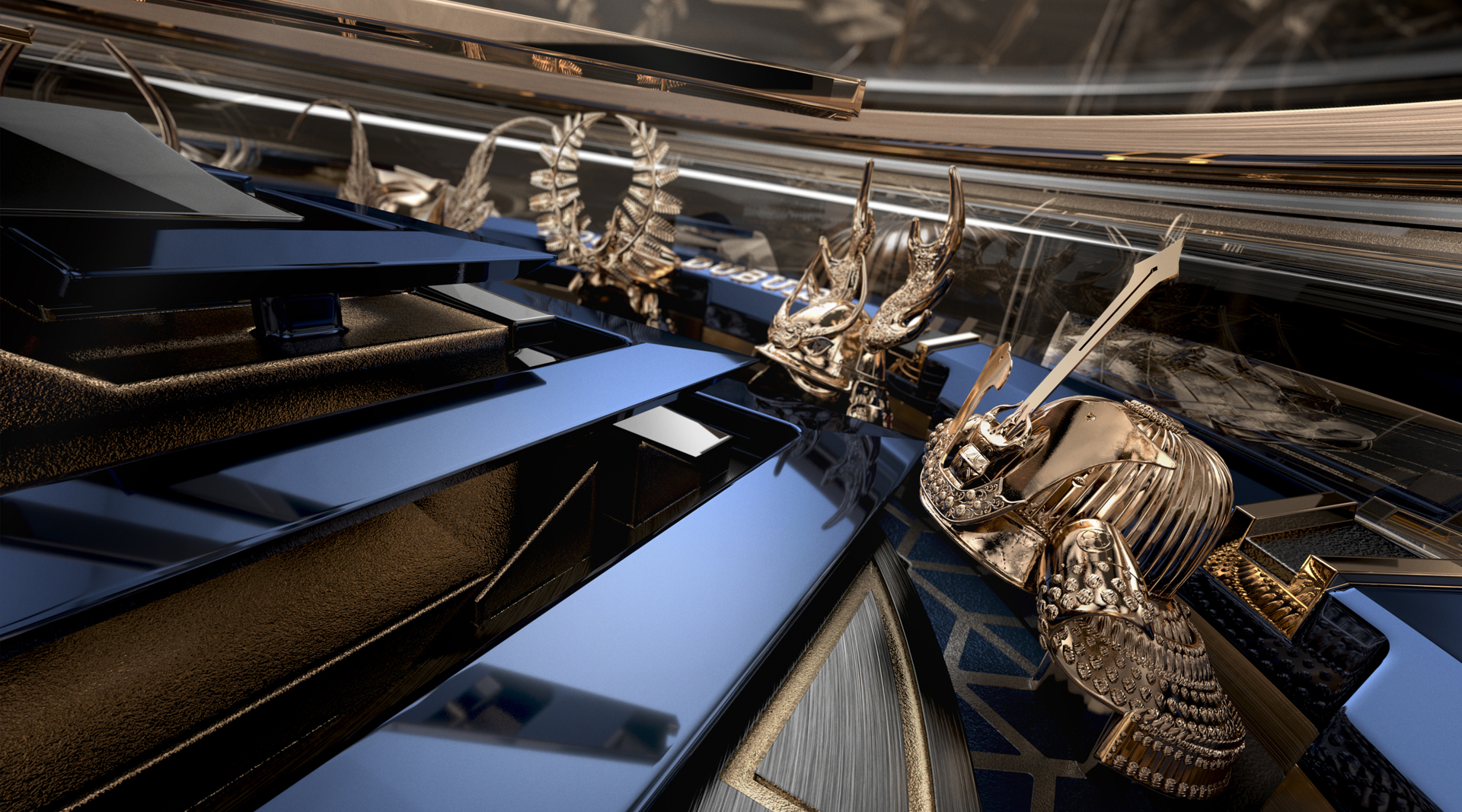
Shifting high horology into the realms of authentic Japanese history, Roger Dubuis unveils Excalibur The Kabuto Legacy a timepiece rich in samurai culture and refined Métiers d’Art.
UNITY AROUND THE TABLE
This new creation takes its inspiration from the 17th century, at a perilous time when Japan stood divided by relentless warfare. In a fractured land, rival warlords fought for supremacy with unrelenting ambition.
A resolution, however, was soon to emerge under the impulse of three notable leaders. By uniting the country’s bushō (samurai commanders), the leaders established a new path and political order for Japan. Through their vision and determination, unification, peace, and prosperity flourished in the country for over 250 years, with Edo Castle sitting at the symbolic heart of a reformed society.
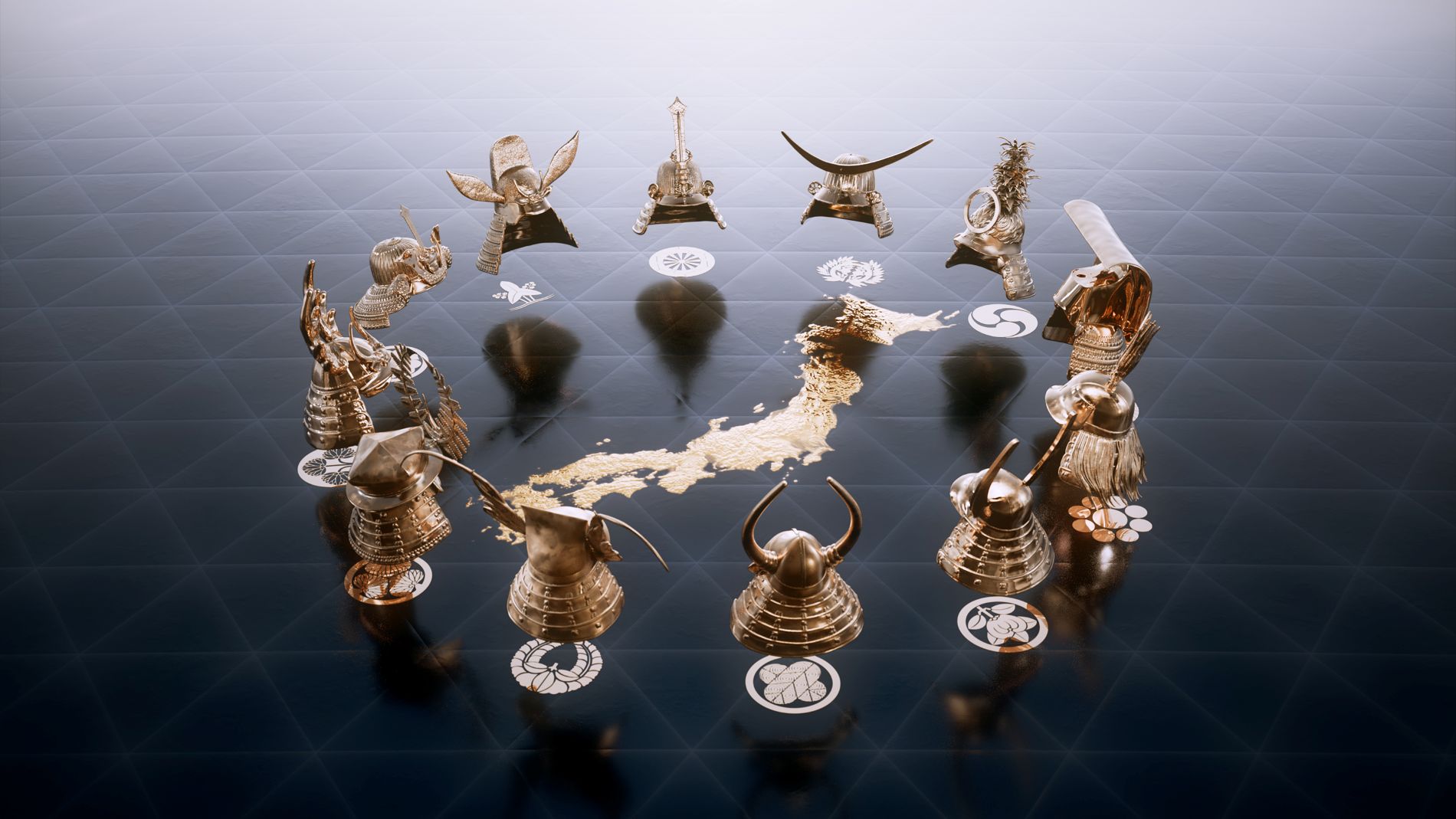
In conceiving this timepiece, Roger Dubuis echoes that circle of solidarity – the very moment that Japanese conflict was transformed into lasting harmony.
THE EMBLEMATIC KABUTO
Within Japan’s changing world, the country’s united bushō were each represented by their individual Kabuto – a ceremonial and protective helmet that served as a statement of their lineage, philosophy, and aspirations.
Importantly, the Kabuto is also a depiction of meticulous craftsmanship – the essential thread that connects this story with the high watchmaking of Roger Dubuis. The Maison has therefore begun its homage to this epic Japanese tale by reinterpreting the Kabuto of twelve influential bushō on the dial.
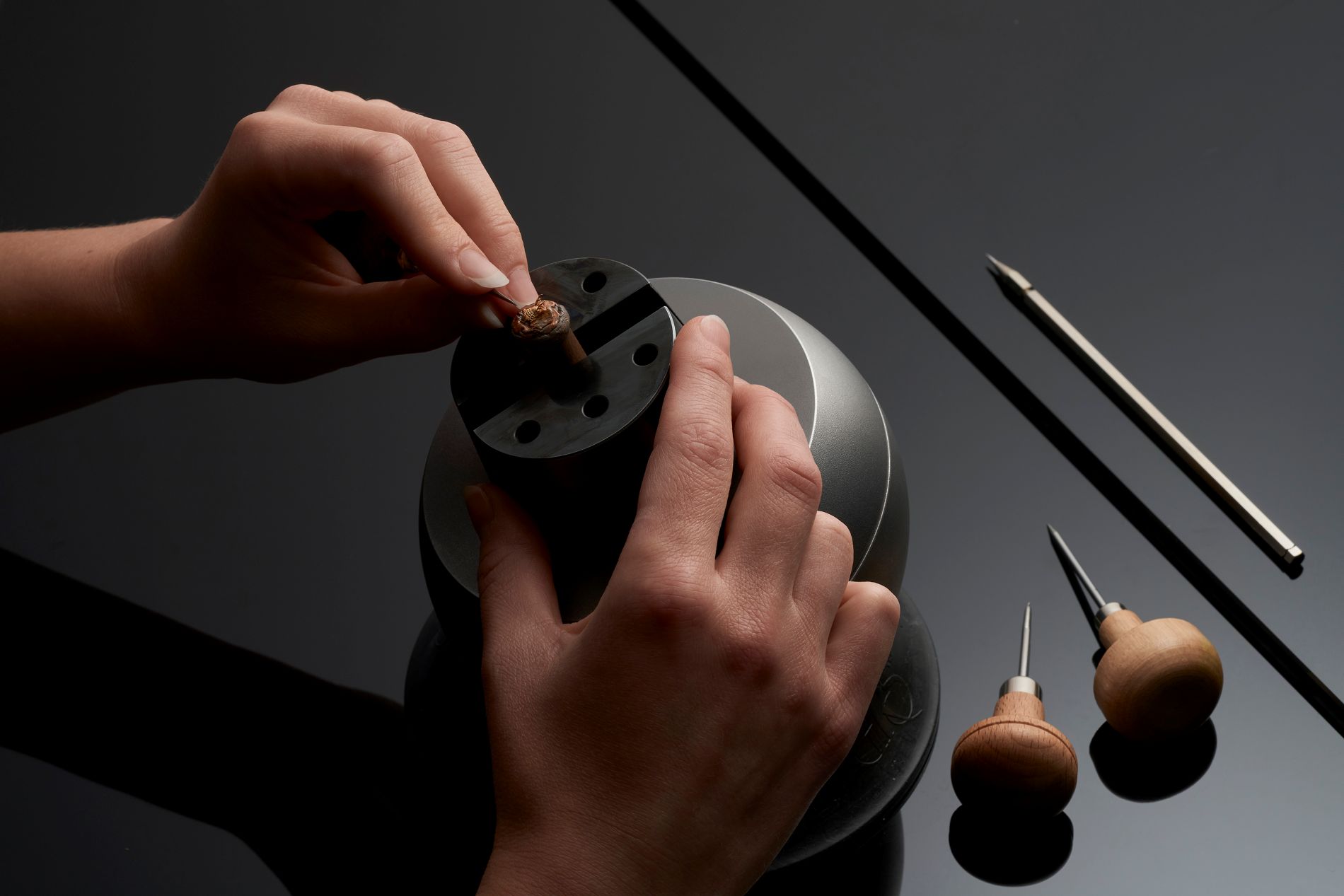
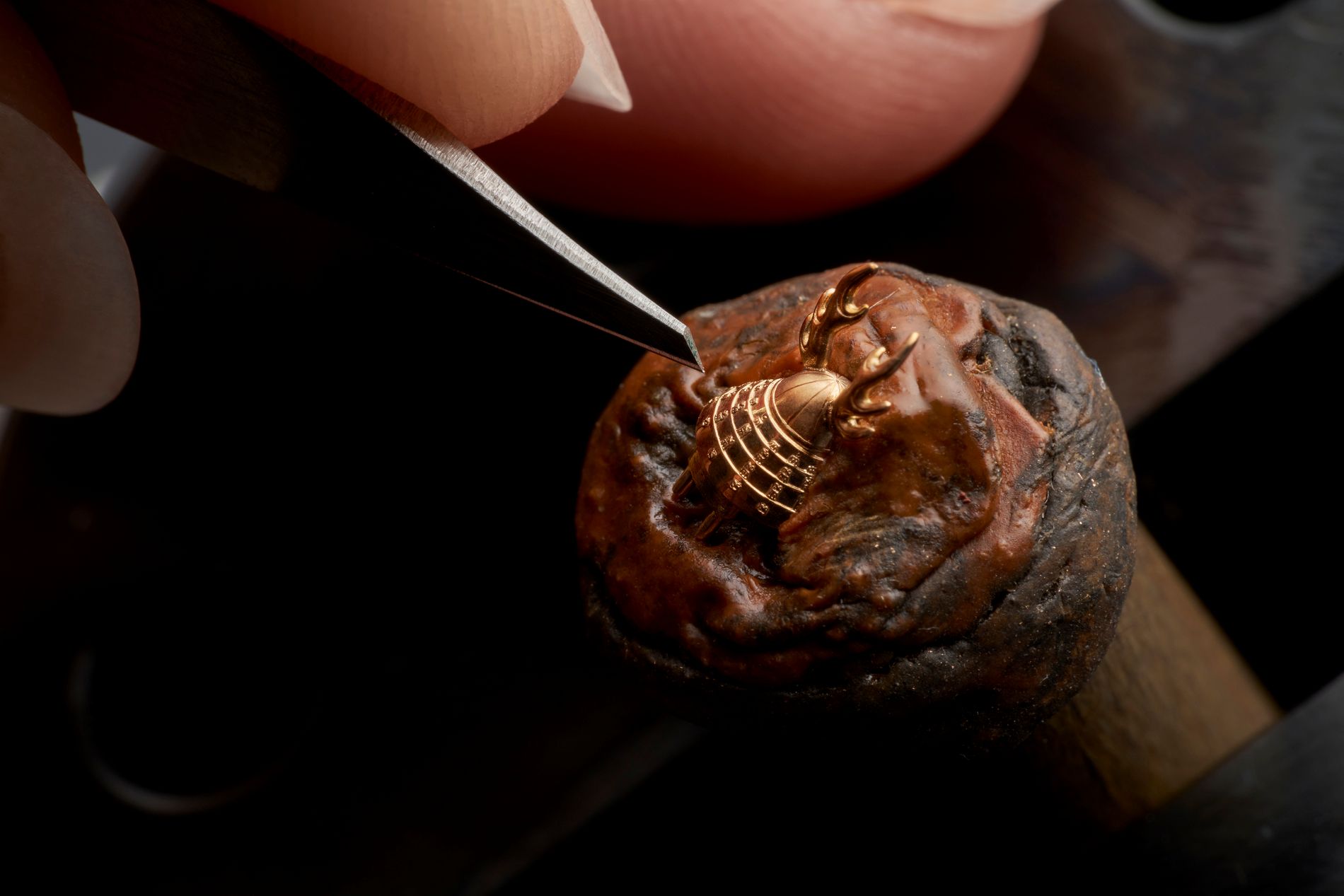
Through precise Métiers d’Art, the micro-sculpted Kabuto are faithfully recreated in 18K pink gold, revealing unique symbolism and intricate hand-engraved detail.
Each one takes 2 to 3 days of skilled work, while the most delicate elements to craft are the ornaments at the front of the Kabuto, which stand as the iconic and visible signatures of the bushō.
DEPICTING THE SAMURAI
UNITY AROUND THE TABLE THE EMBLEMATIC KABUTO DEPICTING THE SAMURAI EDO CASTLE
CALIBRE INGENUITY FINAL WORDS TIMEPIECE CARD APPENDIX
The circle begins at 12 o’clock with the shōgun, Tokugawa Ieyasu, one of the leading architects of the unified Japan, whose Kabuto has a fern to exemplify success and longevity.
The legendary samurai commanders who fought on behalf of Tokugawa Ieyasu came to be known as the Four Heavenly Kings of the Tokugawa. They each take their place around the table of this dial, and include:
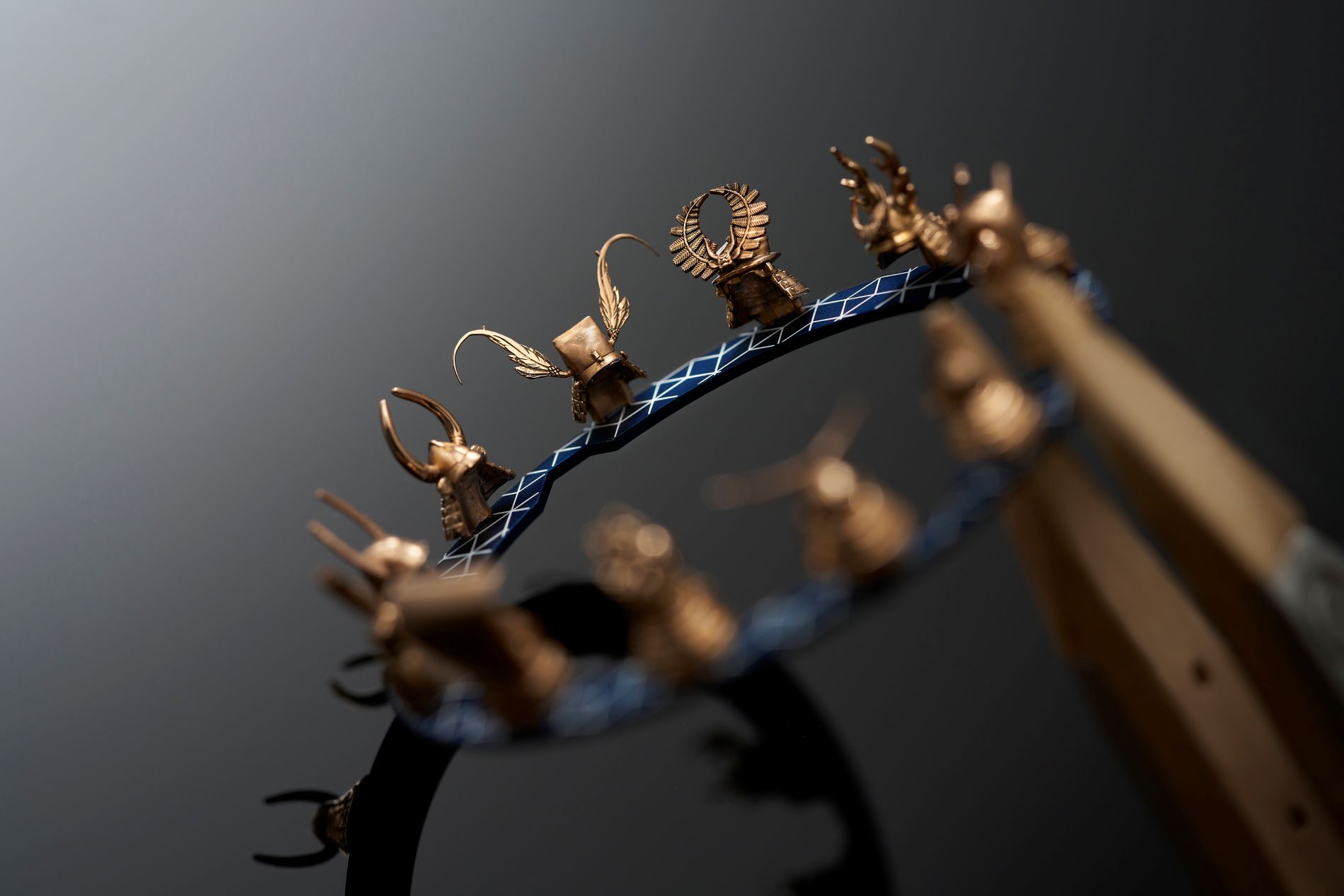
Honda Tadakatsu at 1 o’clock, a commander renowned for his loyalty to Tokugawa, and whose integrity established the country’s moral standard for generations. His iconic Kabuto reveals deer antlers as a source of divine protection.
Sakai Tadatsugu at 2 o’clock, an elder statesman of renowned wisdom and battlefield prowess, who helped establish the foundations of Tokugawa governance. His Kabuto represents the pinnacle of the craft, with a sword shaped front to symbolize righteousness and the cutting away of evil.
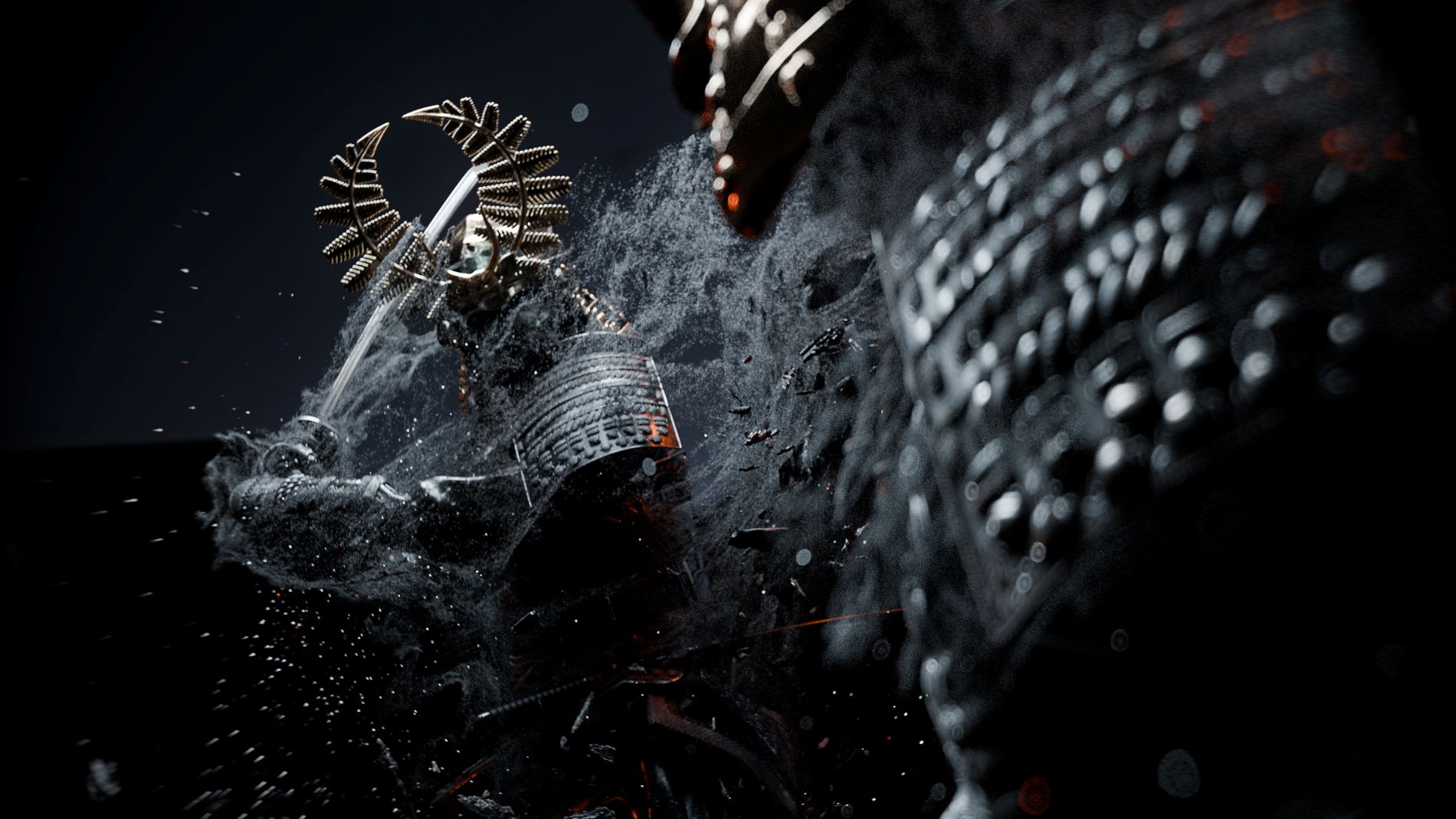
Sakakibara Yasumasa at 4 o’clock, who was known for his sound judgement. His sword-decorated Kabuto represents strong martial virtue and the samurai’s soul, along with the idea of cutting through deception to reveal truth.
At 9 o’clock is Ii Naomasa, a diplomatically brilliant commander. His Kabuto symbolizes bravery, with towering tenshō extending from each side.
EDO CASTLE
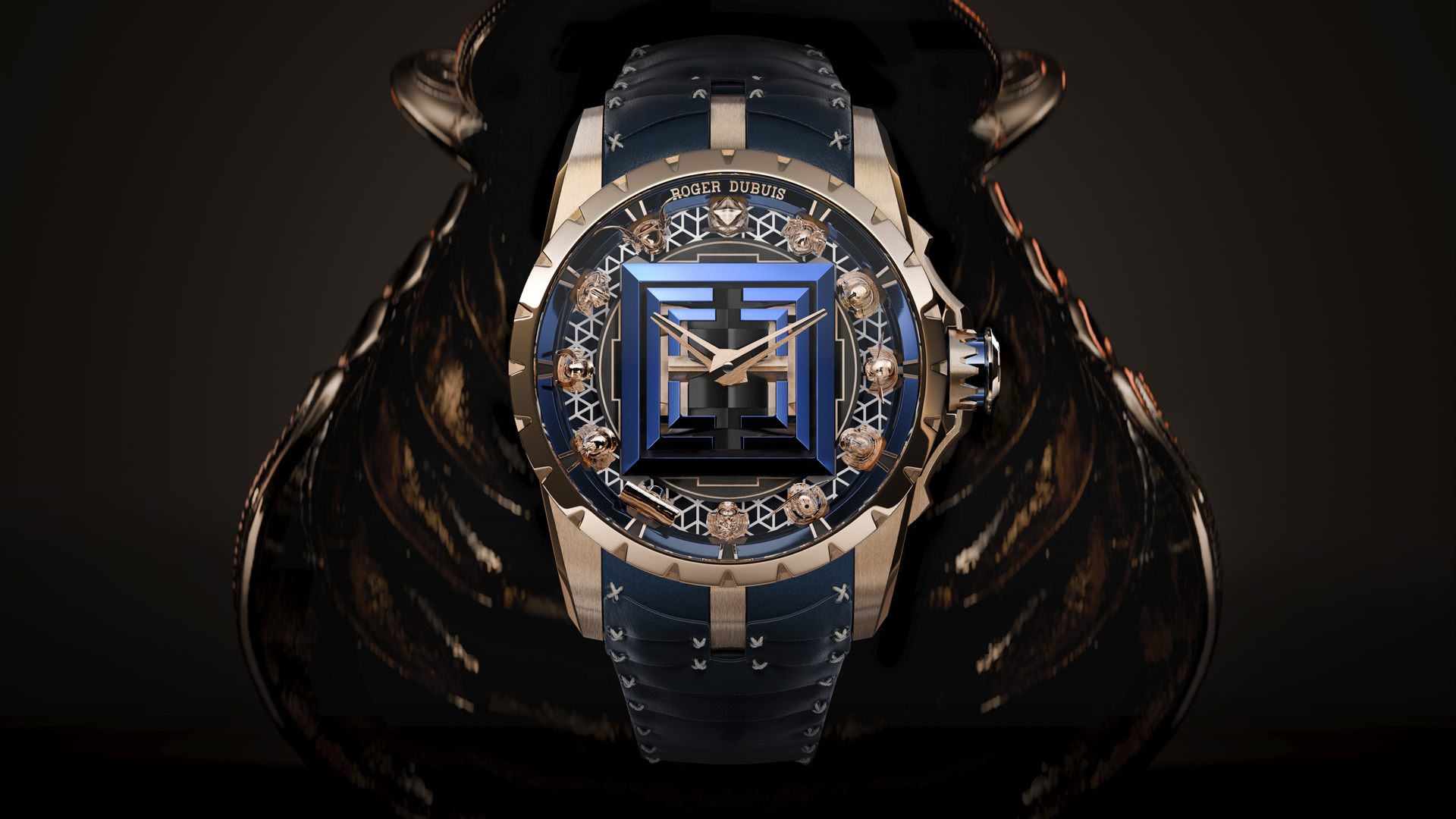
At the centre of the dial, Roger Dubuis has interpreted the architecture of Edo Castle. Through abstract and contemporary language, the towering fortress appears with a deep blue coating, inspired by the indigo dye that was originally used for samurai garments, and later on, the artistic expression of Japanese art and textiles. The layered construction features decorative finishing on every facet, including polishing and bright polishing as well as circular brushing and shot-blasting to showcase the castle’s façade.
UNITY AROUND THE TABLE THE EMBLEMATIC KABUTO DEPICTING THE SAMURAI EDO CASTLE
CALIBRE INGENUITY FINAL WORDS TIMEPIECE CARD APPENDIX
CALIBRE INGENUITY
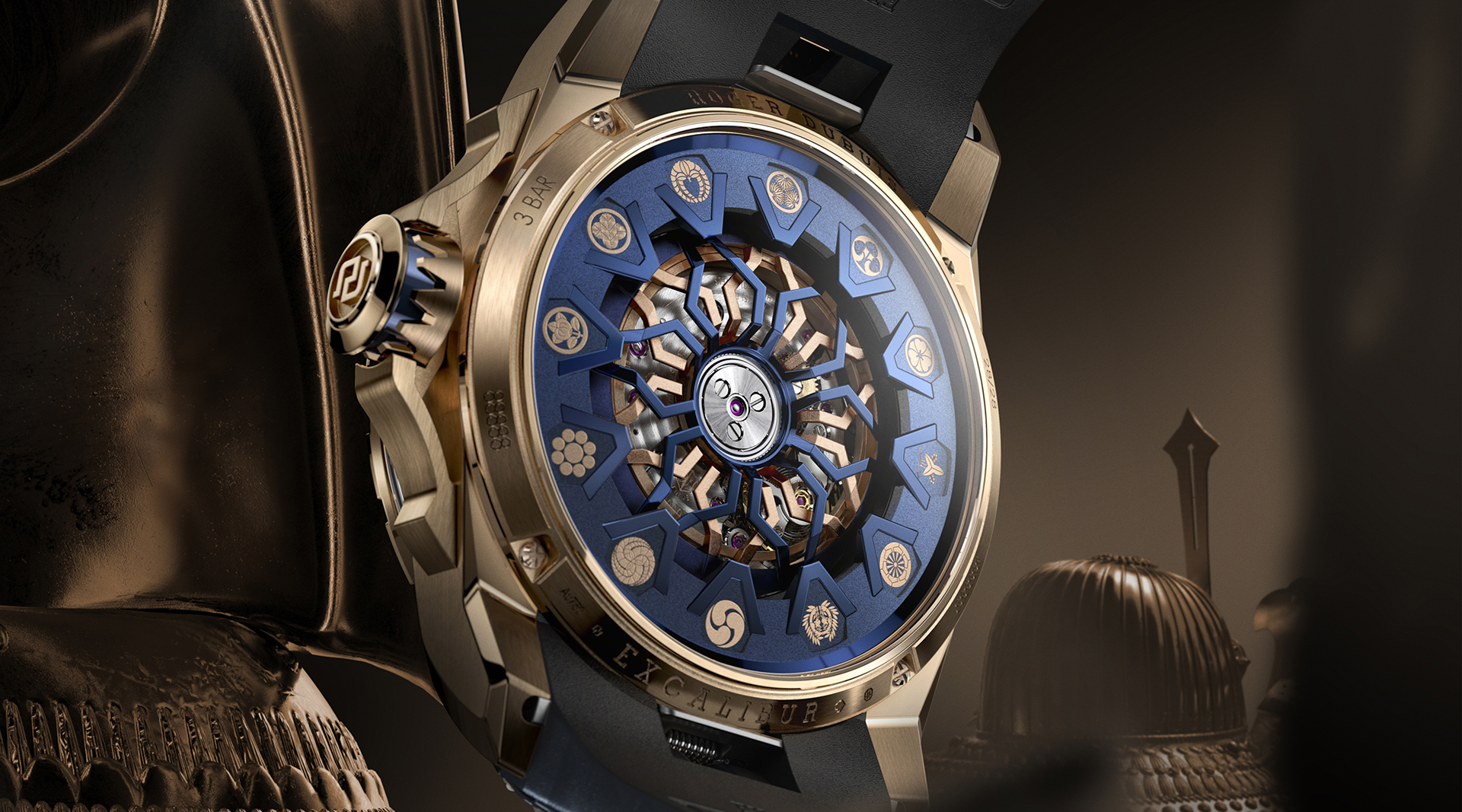
Limited to a collection of 28 exclusive pieces, these 45 mm watches are made in 18K pink gold and feature a crown surrounded by a blue enamel ring. They are worn on a blue calf-skin leather strap, distinctively crafted with stitched tiles to resemble the armour of a samurai. Tributes to the twelve bushō continue on the caseback, where their twelve crests are laser-engraved on a blue-coated pink gold ring, covered by a sapphire glass to show an elaborate rotor.
It is thanks to the RD821 calibre that the daring expressivity of this watch is made possible. The automatic movement allows space to stage the compelling aesthetics. With 60 hours of power reserve and 14 different finishing techniques, this in-house calibre is certified by the Poinçon de Genève.
UNITY AROUND THE TABLE THE EMBLEMATIC KABUTO DEPICTING THE SAMURAI EDO CASTLE
CALIBRE INGENUITY FINAL WORDS TIMEPIECE CARD APPENDIX
FINAL WORDS
To bring historical accuracy and authenticity to the creation of this watch, Roger Dubuis worked alongside Frederik Cryns, Professor of Japanese History and Consultant on the Emmy-winning TV series, Shōgun. His expertise allowed the design to come to life in the most genuine way.
He says, “Samurai culture produced some of the most extraordinary wearable art in human history. That this tradition of master craftsmanship now meets the art of haute horlogerie feels entirely fitting. Both disciplines demand the same uncompromising pursuit of excellence.”